
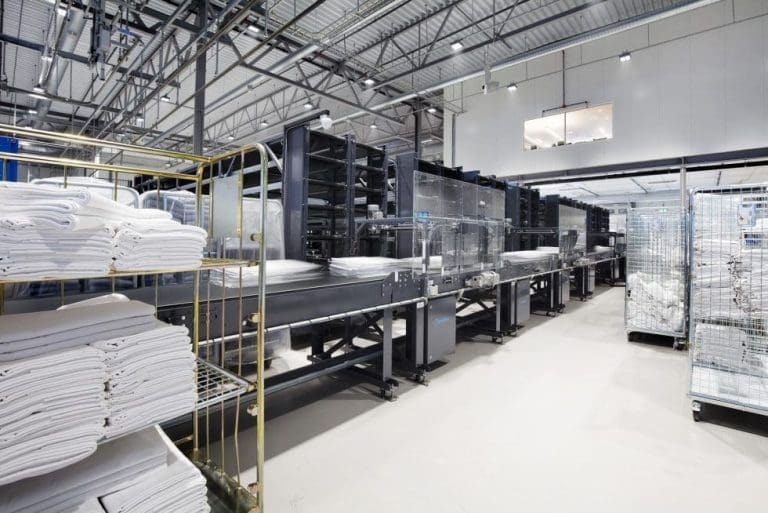
Two Entrepreneurs Brought Together Through Their Children
During my two visits to Inwatec, I had the opportunity to see their robots in action and speak with Tudor, a robotics software engineer who has been connected with the company since its early days.
What I discovered was not just a story about robots. It was a story about entrepreneurship, solving real problems, creating jobs and developing technology ahead of its time.
According to the story Tudor shared with me, Lars and Mads were brought together through their children, who were friends.
Mads brought knowledge of robotics and technology, while Lars provided investment and financial support to help turn the idea into a business.
Together, they started working on technology for the industrial laundry industry.
But the most interesting part of their story is the problem they wanted to solve.
A Dangerous Problem Hidden Inside Hospital Laundry
People working in industrial laundries have to sort huge amounts of clothing and textiles.
Laundry coming from hospitals can sometimes contain forgotten needles and other sharp objects. Workers sorting these textiles by hand can accidentally be stuck by these objects.
This can create a serious safety risk for laundry workers.
And this is not only a problem in Denmark. Industrial laundries around the world face similar challenges.
The question was: Could technology make this process safer?
X-Ray Technology, Deep Learning and Robotics
Lars and Mads started working on this problem at a time when artificial intelligence did not have the presence and influence that it has today.
The idea was to explore how technologies such as X-ray scanning, robotics and software could help identify unwanted objects and automate parts of the laundry-sorting process.
Over time, developments in AI and deep learning have created new possibilities for improving these systems.
What fascinated me was that they started working on these problems long before today's AI boom.
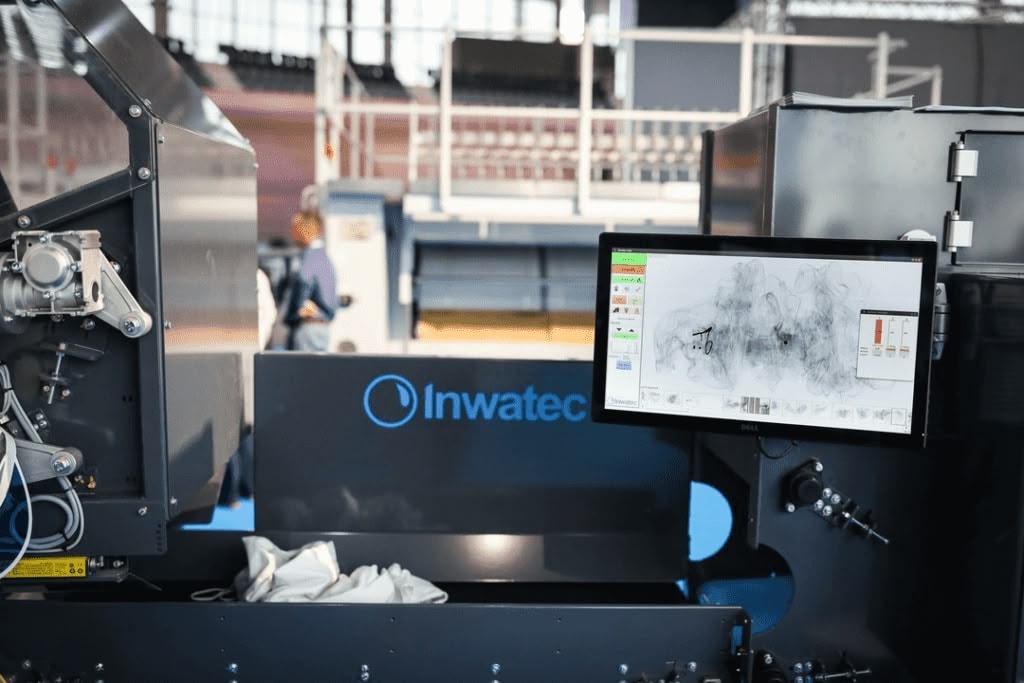
WATCH: Inside Inwatec Robotics
Take a look inside Inwatec in Odense and see the robotics technology behind this story.
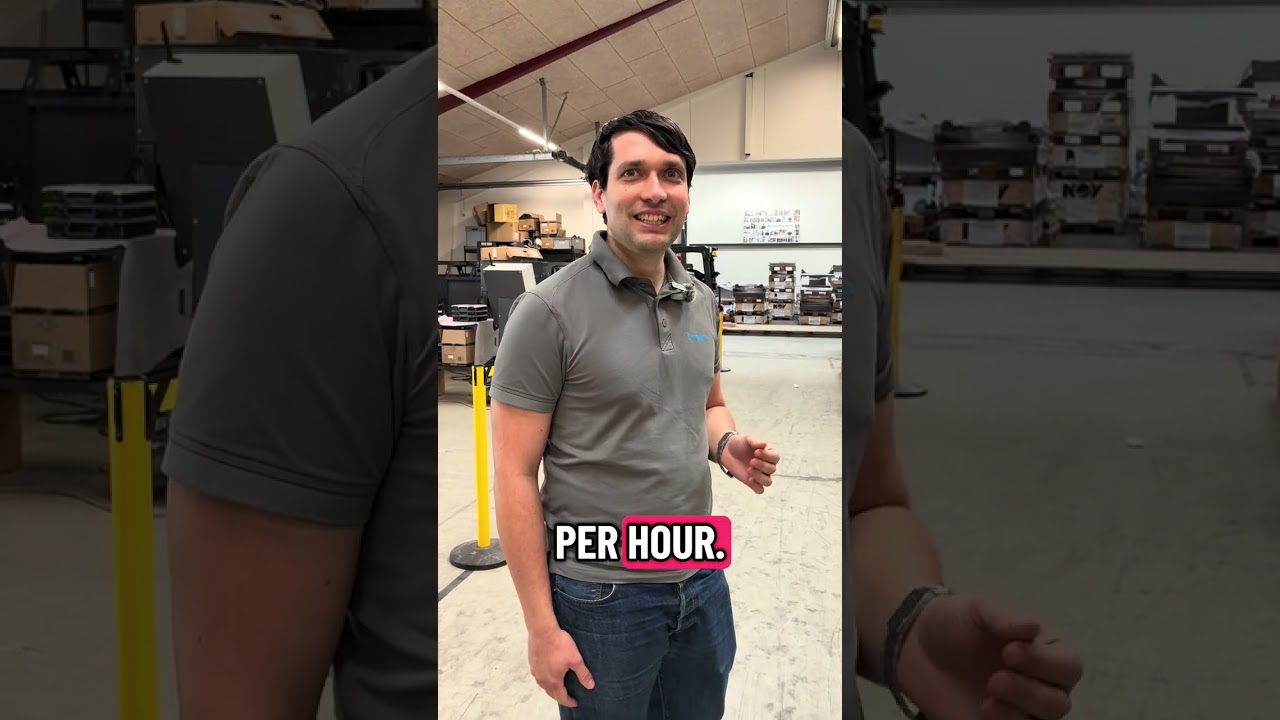
Their Story Reminded Me of My Own Startup Journey
Listening to their story brought me back to my own experience.
Before I started the Startup Visa Denmark project, I created Book2Wheel, a motorbike and vehicle-sharing platform, in 2015.
When I started working in countries such as the Philippines, internet connections were not as fast as they are today and smartphones were not as widely used.
I had to develop a booking process that could work within those limitations.
We used SMS, email and direct phone calls to communicate with customers and confirm bookings.
That experience helped me understand what it means to build a technology business when the technology around you is still developing.
As technology improves, processes that were once difficult can become faster and easier to automate.
That is one of the reasons I could relate so strongly to the Inwatec story.
From an Internship to Robotics Software Engineer
Another fascinating part of the story is Tudor himself.
Tudor came from Romania to Denmark as a student and started his journey with Inwatec through an internship.
He later became a robotics software engineer and has remained connected with the company as it has grown.
What started as a small company has today grown to more than 130 employees.
For me, Tudor's journey is also an important example for international students in Denmark.
Sometimes your first opportunity will not be a full-time position.
It might be an internship or a student job.
But that opportunity can allow you to show your skills, build relationships and potentially open the door to full-time employment.
Seeing the Robots in Action
During my visits to Inwatec, I was amazed to see the robots working in person.
The first system I saw was handling and sorting textiles automatically.
What would traditionally require people to manually handle large quantities of laundry can now be automated at industrial scale.
Today, Inwatec's systems can process large numbers of textile pieces every hour.
Seeing the machine working made me understand the scale of industrial automation much better than simply reading about it.
The Towel Robot
The second robot that caught my attention was the system designed to help with towel processing.
It separates towels and helps prepare them for the folding process.
It might sound like a simple task when a person handles one towel, but industrial laundries have to process enormous numbers of towels every day.
Watching the system repeatedly separate and process towels showed me how robotics can automate even tasks that we normally take for granted.
Products Developed Together With Customers
One of the most interesting things I learned during my two visits was how these products are developed.
According to Tudor, Inwatec works closely with its customers when developing its technology.
A product can go through a long process of development, testing and improvement before the final solution is ready to use.
Instead of simply building a machine and expecting customers to adapt to it, the development process involves cooperation with the laundry businesses that will actually use the technology.
For me, this is an important lesson for other startups as well.
Understanding the customer's real problem is just as important as developing the technology.
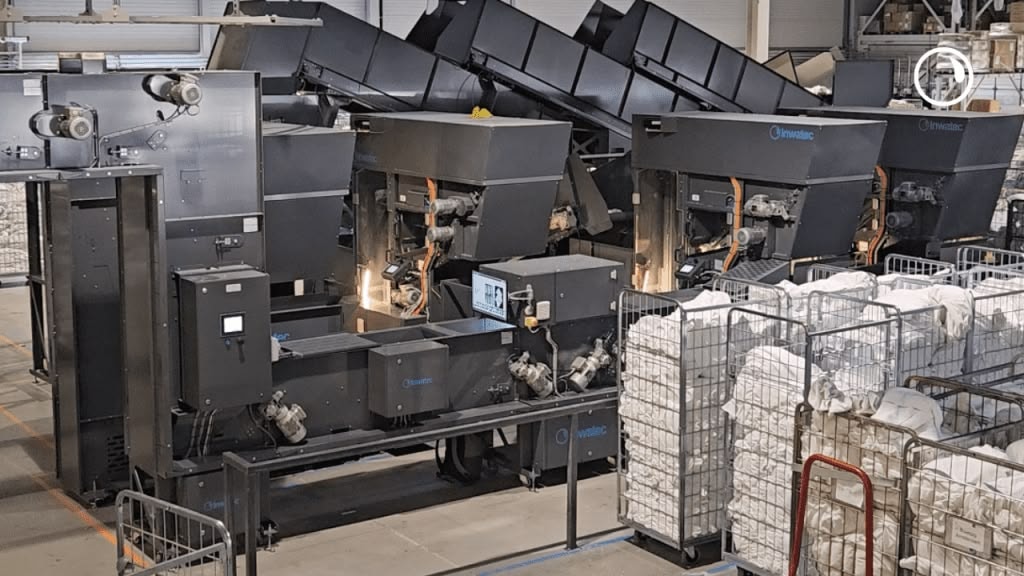
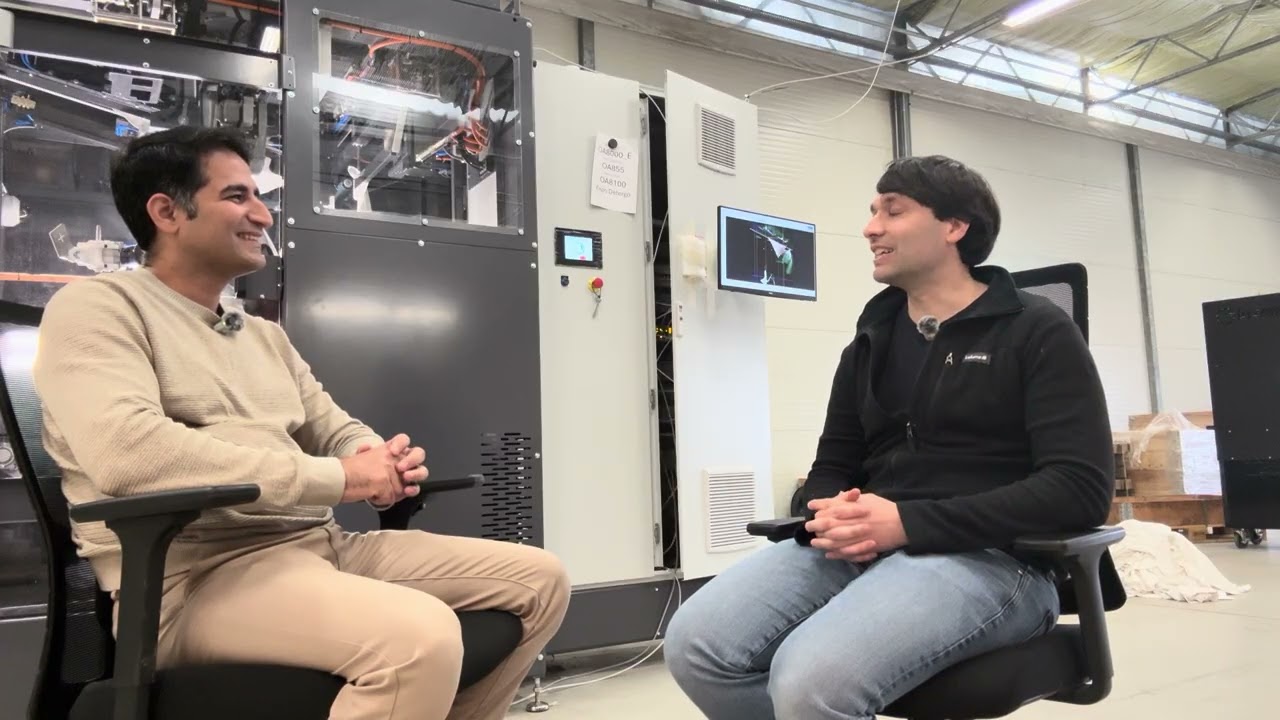
WATCH: How Two Danish Entrepreneurs Built Inwatec
From an entrepreneurial idea to an international robotics company, hear more about the people and journey behind Inwatec.
Who Buys These Robots?
Inwatec's customers include industrial laundry businesses around the world.
During one of my visits, I saw an area filled with equipment being prepared for shipment.
For me, this was an impressive sight.
Technology being developed in Odense was being prepared to go out to customers in international markets.
Tudor also explained that their work does not necessarily end when the machine is delivered.
The company provides after-sales support, including software upgrades and new or upgraded components.
This means the technology can continue developing even after it has been installed at the customer's facility.
From Student Jobs to More Than 130 Employees
Another question that interested me was how a company could grow from a very small team to more than 130 employees.
According to what I learned during my visit, student jobs and internships have played an important role in bringing people into the company.
Some people who started in student positions later moved into full-time jobs.
This is why I believe students looking for jobs in Denmark should not ignore internships or student positions.
An internship might be your first opportunity to enter a company, demonstrate your abilities and potentially open the door to full-time employment.
Tudor's own journey is a good example of this.
Are Robots Taking Jobs or Creating Jobs?
This was one of the most important questions I wanted to discuss.
Are robots taking people's jobs, or are they creating new jobs?
Looking at Inwatec, my opinion is that the answer is more complicated than simply saying that robots replace people.
The company itself has created many jobs as it has grown.
At the same time, its technology can automate repetitive tasks and reduce people's exposure to potentially dangerous work, such as manually handling dirty hospital laundry where sharp objects may be hidden.
Tudor explained that automation can remove some of the boring work and allow people to concentrate on jobs that are more interesting.
I think this is an important way to look at robotics.
Technology can replace certain tasks without necessarily replacing the need for people.
At the same time, developing, programming, maintaining, selling and supporting these machines creates different kinds of jobs.
Will Inwatec Build Robots for Other Industries?
I also asked whether they planned to use their robotics knowledge to innovate in other industries.
The answer was that the company intends to remain focused on the laundry industry.
The reason is simple: the industrial laundry market itself is very large, and there are still many opportunities for further innovation and automation.
For me, there is another startup lesson here.
You do not always need to enter many different industries to grow.
Sometimes there is still a huge amount of innovation possible within the industry you already understand.
What Happens When Someone Copies Your Product?
I also asked whether they were afraid of competitors copying their technology.
According to the discussion during my visit, copying has already been an issue.
Their products are protected through patents, and the company is prepared to protect technology that has taken years of hard work to develop.
This is particularly important when a company spends years developing, testing and improving a product.
Innovation is not only about having an idea. It is also about the years of work required to turn that idea into something that works reliably for customers.
More Than Just Robots
After my visits, I realized that the Inwatec story is about much more than robots sorting laundry.
It is a story about entrepreneurs identifying a real problem and trying to solve it with technology.
It is about developing robotics before today's AI boom.
It is about making potentially dangerous and repetitive work safer and more automated.
It is about an international student coming to Denmark, starting through an internship and building a career as a robotics software engineer.
And it is about a small company growing into a business with more than 130 employees and customers around the world.
For me, visiting Inwatec also showed how technology developed here in Odense can solve problems far beyond Denmark.
There are still many more stories to tell about Inwatec, its employees and its technology.
But I will end this story here until the next interview, when I can hopefully share even more from inside the world of Inwatec Robotics.
Want to learn more about Inwatec? Read our previous Inwatec story — how a kids' playdate led to a visit inside one of Denmark's most innovative robotics companies.
Discover More Danish Startup Stories
Startup Visa Denmark shares stories from Danish founders, startups and technology companies to introduce Denmark's startup ecosystem to an international audience. Explore more founder interviews, startup stories and innovation from Denmark.
Explore Danish Startup Stories
Startup Visa Denmark
Connecting Danish startups with international entrepreneurs, investors and markets.
Sources & Further Reading
- Inwatec official website
- Odense Robotics cluster
- University of Southern Denmark (SDU)
- ·Personal visits and conversations with Tudor, Inwatec, September 2026