
Why I Joined a Guided Bike Tour
Copenhagen is one of the most bicycle-friendly cities in the world. Cycling infrastructure here is not an afterthought. It is a core part of how the city moves. Dedicated cycle lanes, clear road markings, and a culture built around the bicycle make it an environment unlike most cities that international visitors come from.
I wanted to understand how international tourists experience this environment for the first time. Not from a distance, but from the saddle. So I joined a guided bicycle tour operated by Tropical Bikes, a Copenhagen-based company that has been running guided cycling experiences for international visitors for many years.
This article is not a review of Tropical Bikes as a commercial product. It is a record of what I observed, what I heard from other participants, and what I learned about how tourists engage with Copenhagen's cycling culture when they are guided through it for the first time.
You can find out more about their tours and book directly at tropicalbikes.dk.
Starting at the Bike Shop
The tour began at the Tropical Bikes shop near the city centre. The space was practical and well-organised. Bikes were lined up and ready. Staff moved efficiently, fitting participants with the right bicycle size and making adjustments where needed.
The atmosphere was relaxed. People arrived in small groups or individually, some clearly knowing each other, others meeting for the first time. There was a mix of nationalities. English was the common language. The guide introduced themselves and gave a brief overview of what the tour would cover.
One thing I noticed immediately was how the shop itself functioned as a kind of orientation point. Before anyone got on a bicycle, the environment was already communicating something: this is manageable, this is organised, you are in good hands.
Learning Copenhagen's Cycling Rules Before Entering Traffic
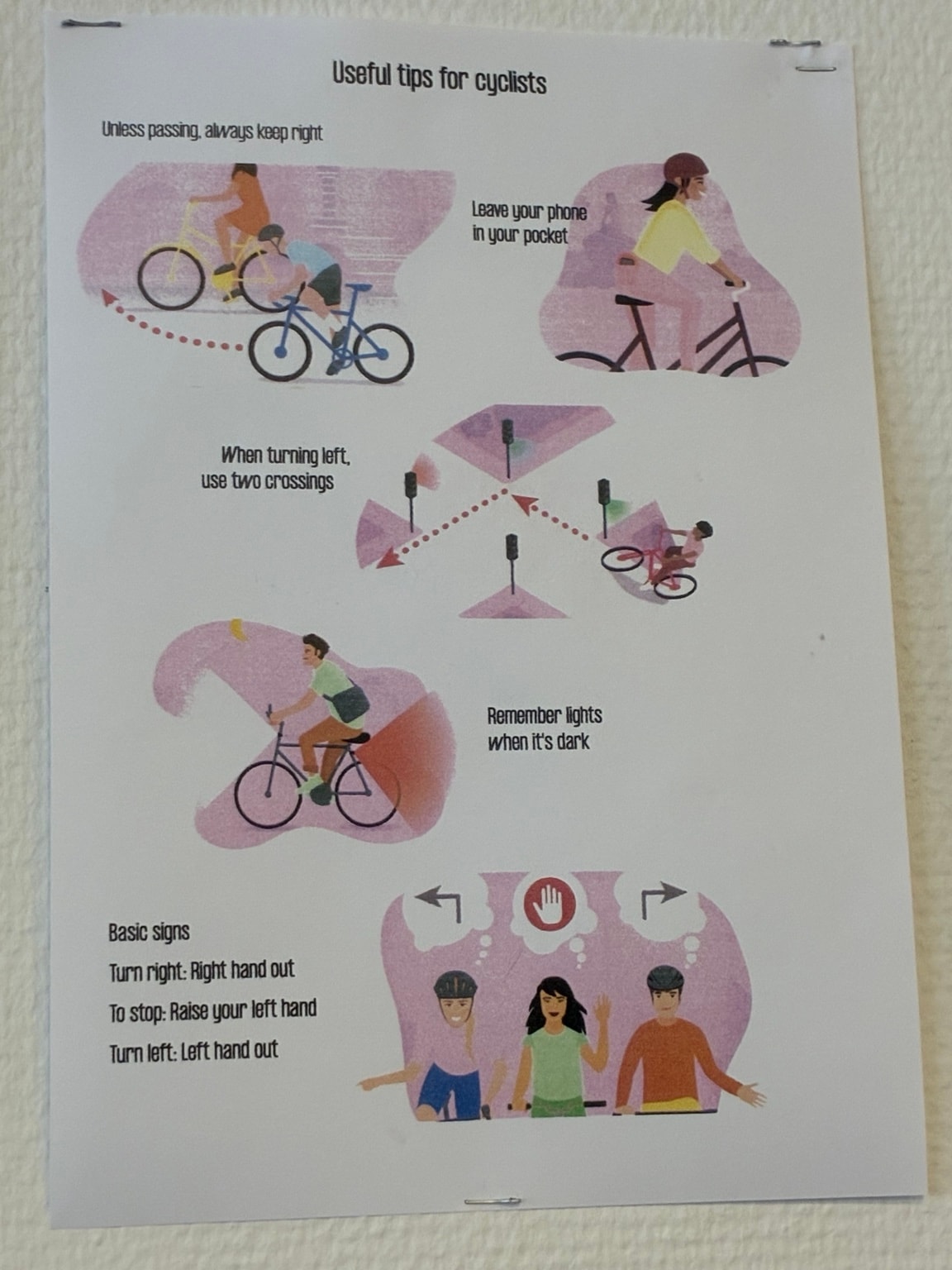
Before the group moved into the city, the guide spent time explaining how cycling works in Copenhagen. This was not a brief safety disclaimer. It was a genuine introduction to the rules of the road as they apply to cyclists here.
Participants learned about the dedicated cycle lanes, how to signal turns, how to behave at intersections, and what to expect from other cyclists and drivers. The guide explained that Copenhagen cyclists follow a clear and largely unspoken code, and that understanding it makes the experience significantly more comfortable.
For most participants, this was their first time cycling in a city with this level of cycling infrastructure. The briefing visibly reduced anxiety. People who had looked slightly uncertain at the start of the session appeared more settled by the time the group moved off.
How the Guided Tour Was Organised
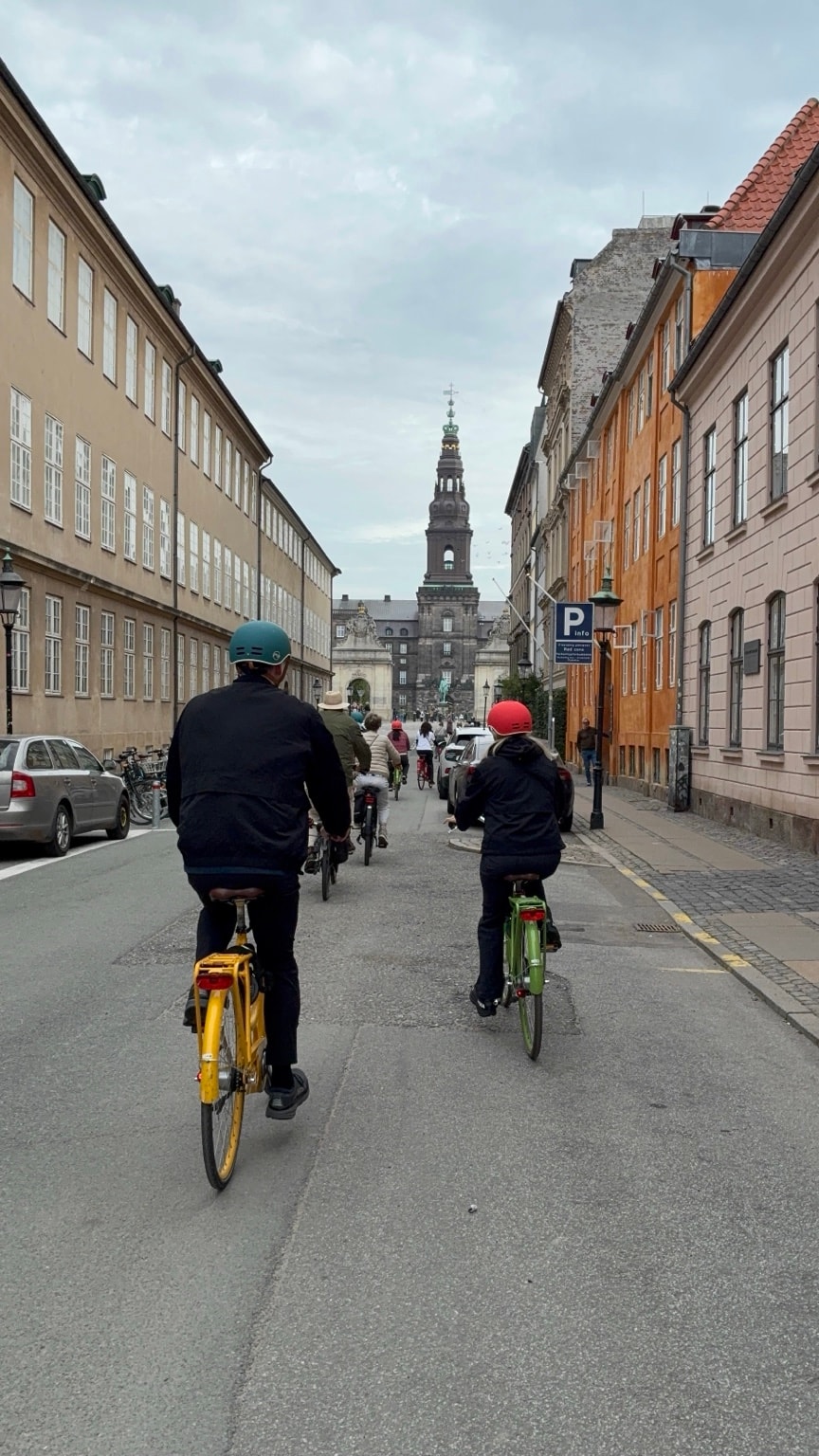
The tour followed a planned route through central Copenhagen, stopping at key locations along the way. The guide led from the front, with the group following in a loose formation. The pace was comfortable, not rushed, but not so slow that it felt like a procession.
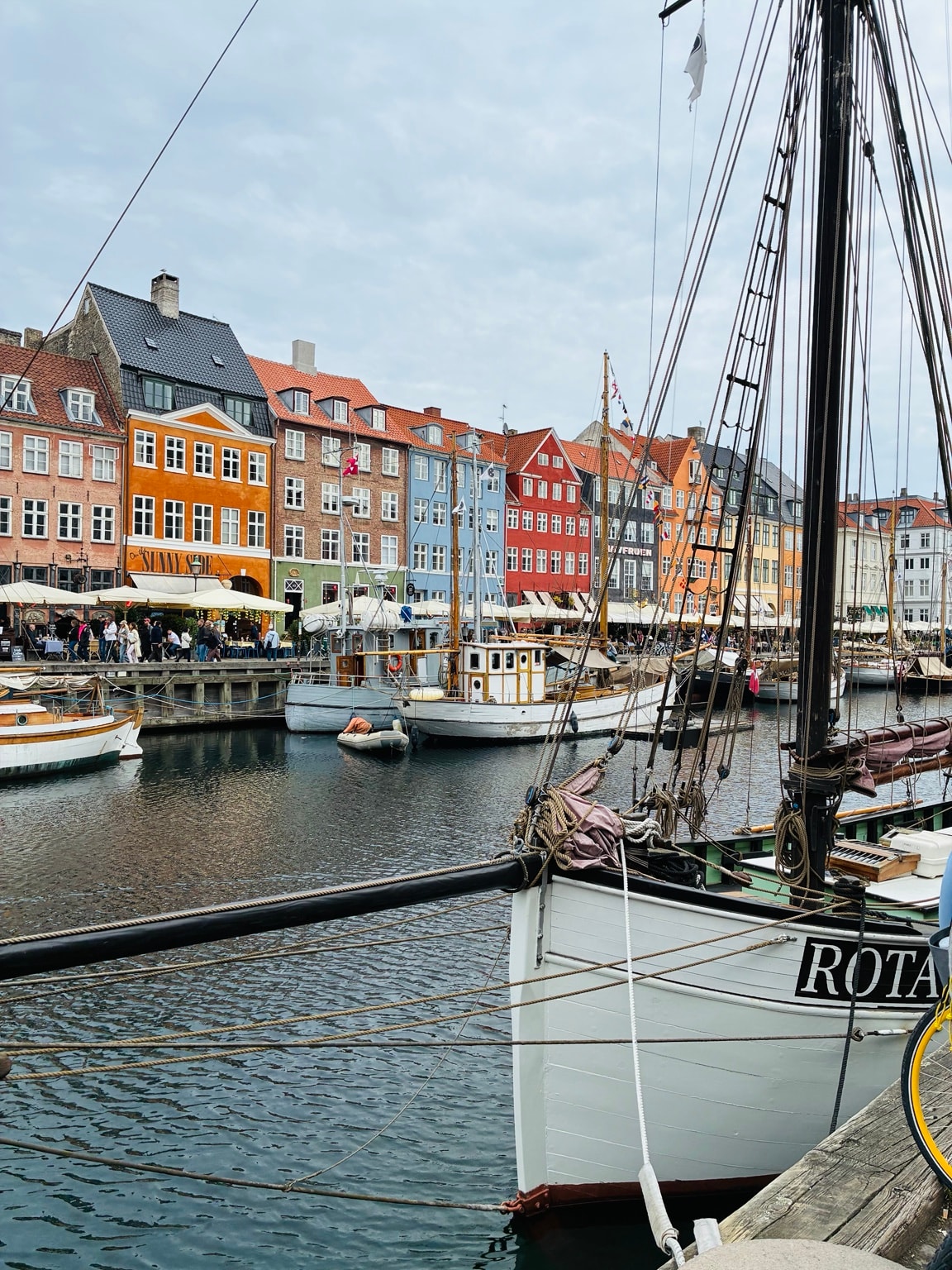
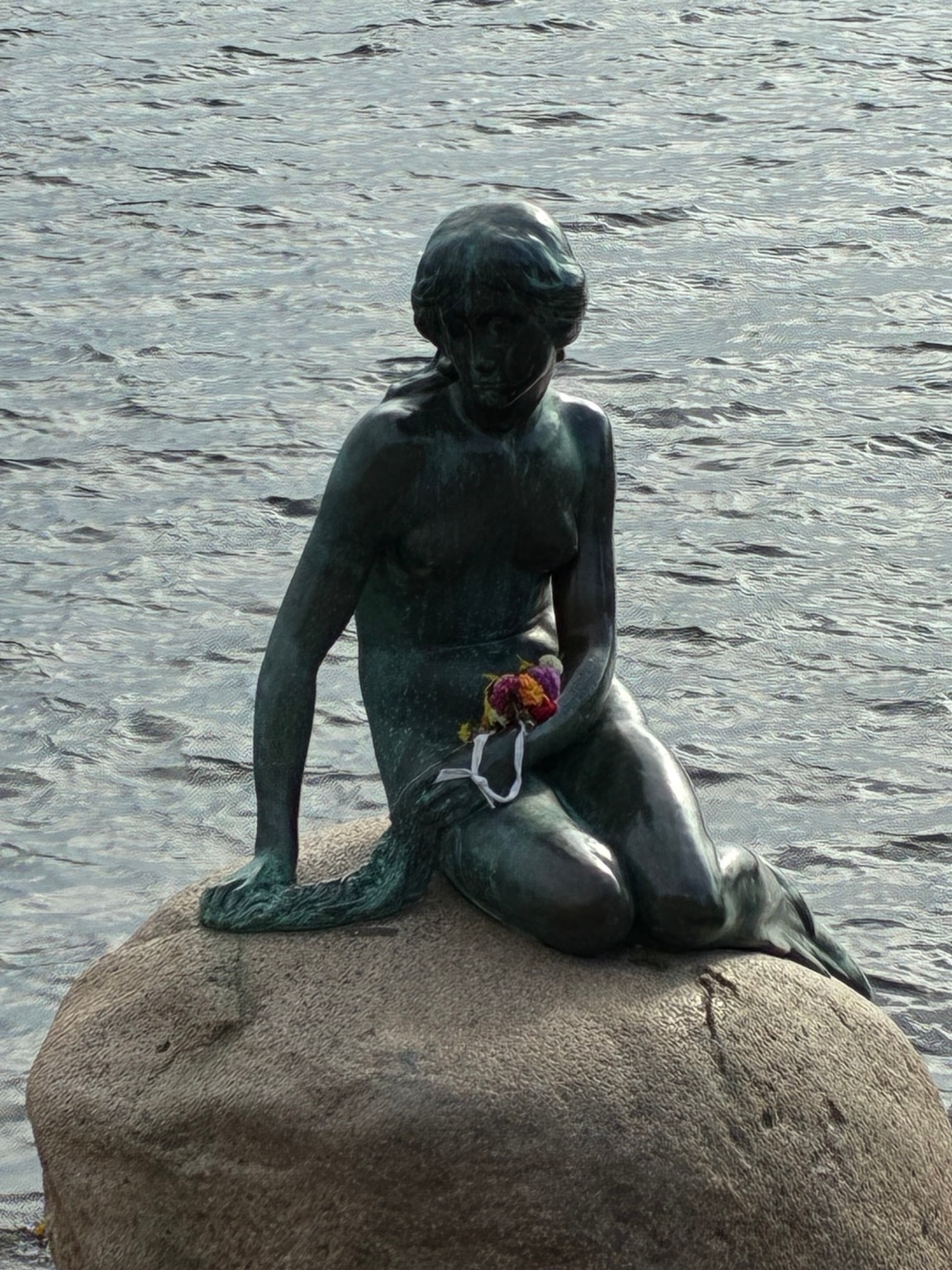
At each stop, the guide provided context about the location: its history, its significance, and how it fits into the broader story of Copenhagen. The stops were well-chosen, covering a range of the city's character, from historic squares to waterfront areas to residential neighbourhoods.
The group size was manageable. Large enough to feel like a shared experience, small enough that the guide could maintain contact with everyone and respond to questions. The logistics were handled smoothly, with no significant delays or confusion at any point during the tour.
Why Tourists Choose a Guided Bike Tour
I spoke informally with several participants during the tour. When I asked why they had chosen a guided bicycle tour rather than renting a bike independently or using public transport, the answers were consistent.
The most common reason was confidence. Several people said they wanted to cycle in Copenhagen but were not sure they could navigate the city safely on their own. A guided tour removed that uncertainty. They could experience the cycling environment with someone who knew it well, without the pressure of making navigation decisions in unfamiliar traffic.
A second reason was efficiency. Participants wanted to see a meaningful amount of the city in a structured way. A guided tour offered a curated experience. Someone else had already decided which routes were interesting, which stops were worth making, and how to connect them into a coherent journey.
A third reason, mentioned by several people, was the social element. Joining a group tour meant meeting other travellers. For solo visitors in particular, this was an appealing aspect of the experience.
A guided bicycle tour may be more than a sightseeing product. It can function as an introduction to independent bicycle tourism.
How Experienced Were the Participants?
The group included people with a range of cycling backgrounds. Some were regular cyclists at home. Others had not been on a bicycle for years. A few described themselves as nervous about cycling in city traffic.
What was notable was that the tour accommodated this range without difficulty. The pace and route were appropriate for mixed ability levels. The guide was attentive to participants who needed more time or reassurance, without making the experience feel slow or condescending for those who were more confident.
By the midpoint of the tour, the difference in experience levels was largely invisible. Everyone had settled into the rhythm of cycling in Copenhagen, and the group moved through the city with a naturalness that would not have been obvious to an outside observer.
The Guided Tour as a First-Day Activity
Several participants mentioned that they had booked the tour for their first full day in Copenhagen. This was a deliberate choice. They wanted to get an overview of the city quickly, understand how it was laid out, and identify areas they wanted to return to independently.
This framing, the guided tour as an orientation tool rather than a standalone sightseeing product, came up repeatedly in conversation. People were not just there to see Copenhagen. They were there to learn how to navigate it.
For visitors planning a stay of several days, this made practical sense. A three-hour guided tour on day one could significantly increase the value of the days that followed, by giving participants the knowledge and confidence to explore independently.
Did Participants Feel Safe Cycling in Copenhagen?
Safety was a recurring theme in conversations with participants. Most people said they felt safer cycling in Copenhagen than they had expected, and safer than they would have felt cycling in their home cities.
The infrastructure played a significant role in this. The dedicated cycle lanes, the clear separation from motor traffic, and the predictable behaviour of other cyclists all contributed to a sense of security that participants found reassuring.
The guided format also contributed. Having a knowledgeable guide at the front of the group, who knew the route and could anticipate potential difficulties, reduced the cognitive load on participants. They could focus on the experience rather than on navigation and risk assessment.
An Interesting Observation About Bicycle Helmets
One observation that stood out during the tour was the approach to bicycle helmets. In many countries, helmet use is either legally required or strongly culturally expected. In Copenhagen, it is neither. Most local cyclists do not wear helmets.
Tropical Bikes provided helmets and participants were encouraged to wear them. Most did. But several participants commented on the contrast between the helmet culture they were used to at home and what they observed among local cyclists on the streets around them.
This small detail opened up a broader conversation about cycling culture. The absence of helmet use among locals is not a sign of recklessness. It reflects a cycling environment that has been designed to be safe at low speeds, with infrastructure that reduces the risk of serious accidents. Understanding this distinction helped participants see Copenhagen's cycling culture in a more nuanced way.
Seeing Copenhagen and Learning Its History
The historical commentary provided by the guide was one of the most valued aspects of the tour, based on conversations with participants. Copenhagen has a rich and layered history, and cycling through the city while hearing that history explained in context made it more accessible and memorable than reading about it in a guidebook.
The guide connected the physical landscape of the city, its buildings, canals, squares, and neighbourhoods, to the historical events and decisions that shaped them. This gave participants a framework for understanding what they were seeing, rather than simply observing it.
Several participants said they had visited other European cities on previous trips but had not engaged with the history in the same way. The combination of movement, fresh air, and live commentary created a different kind of attention than a walking tour or a museum visit.
Food, Water and the Three-Hour Experience
The tour lasted approximately three hours. This is a substantial commitment of time and physical energy, particularly for participants who are not regular cyclists. The guide managed the pacing well, building in stops that allowed people to rest, take photographs, and ask questions.
Water was available, and participants were reminded to stay hydrated. The tour did not include a formal food stop, but the route passed through areas where participants could note cafes and food options for later visits.
By the end of the three hours, most participants appeared energised rather than exhausted. The physical effort had been moderate, the experience had been engaging, and the combination of exercise, fresh air, and new information had produced the kind of positive fatigue that comes from a well-spent afternoon.
The Social Side of a Guided Bicycle Tour
One aspect of the guided tour experience that I had not fully anticipated was how social it became. Cycling in a group, stopping together at landmarks, and sharing reactions to what you are seeing creates a natural basis for conversation.
By the midpoint of the tour, people who had arrived as strangers were talking easily. Shared observations about the city, questions to the guide, and the mild physical challenge of cycling together had created a sense of common experience.
For solo travellers in particular, this social dimension appeared to be significant. Several people mentioned that they had chosen a group tour partly because they wanted to meet other visitors. The bicycle tour delivered on this in a way that felt natural rather than forced.
Guided First, Independent Later
The pattern I observed most consistently across the group was the intention to cycle independently after the tour. Almost everyone I spoke to said they planned to rent a bicycle and explore on their own in the days following the guided experience.
The guided tour had given them what they needed to do this with confidence: knowledge of the cycling rules, familiarity with the infrastructure, an understanding of the city's layout, and the experience of having cycled in Copenhagen without incident.
This suggests that the guided tour functions not just as a sightseeing product but as a kind of preparation for independent exploration. The value it creates extends beyond the three hours of the tour itself.
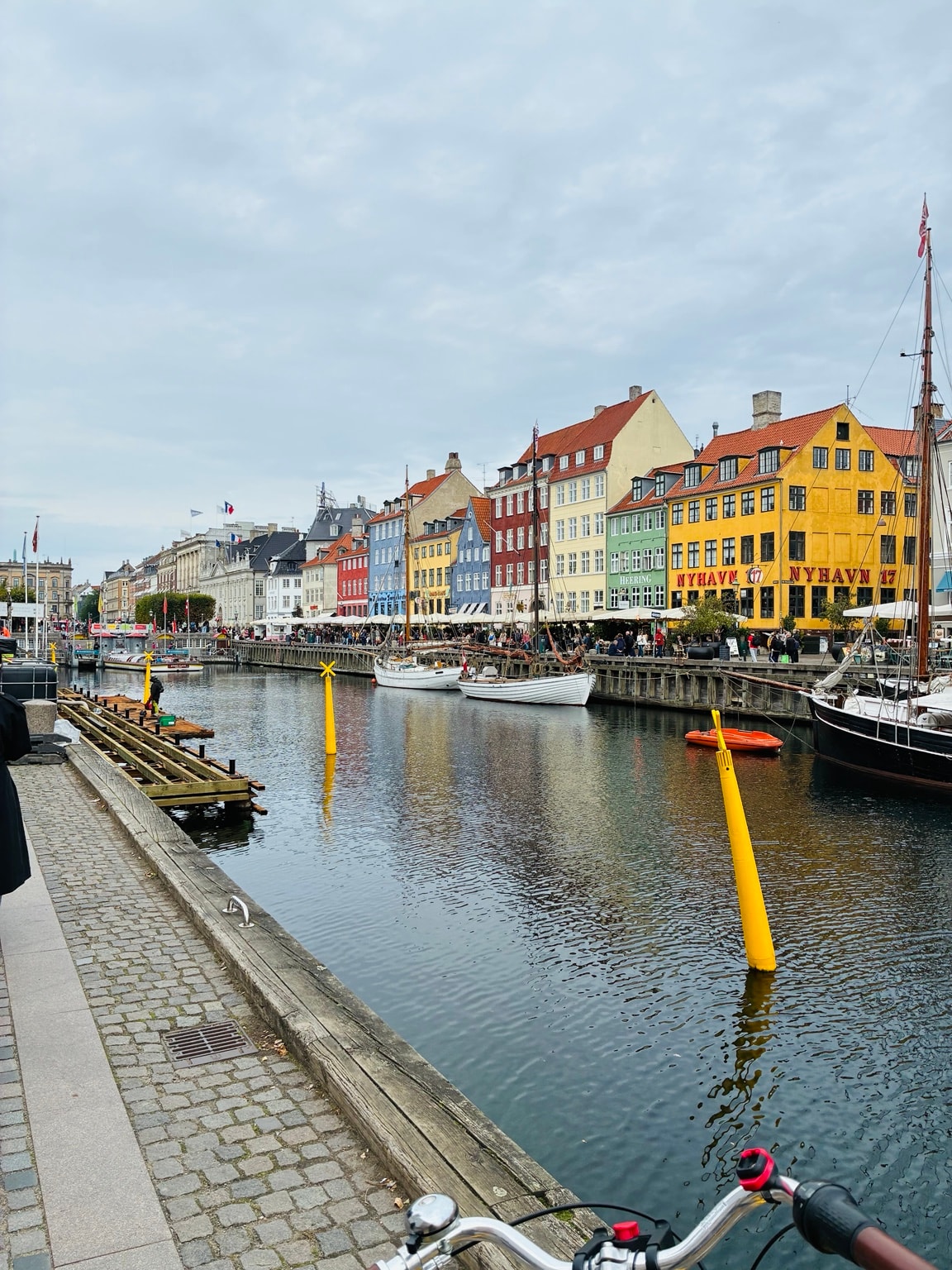
GUIDED FIRST. INDEPENDENT LATER.
What I Learned From the Experience
Joining the Tropical Bikes guided tour gave me a clearer picture of how international tourists engage with Copenhagen's cycling culture. The experience confirmed several things I had expected and revealed a few things I had not.
I had expected that the infrastructure would be the main factor in making participants feel safe. It was important, but the guided format was equally significant. The presence of a knowledgeable guide reduced anxiety and allowed participants to focus on the experience rather than on managing risk.
I had not fully anticipated how consistently participants framed the guided tour as preparation for independent cycling. This reframing, from sightseeing product to orientation tool, suggests that the value of guided bicycle tourism may be broader than it first appears.
Copenhagen's cycling culture is genuinely distinctive. For visitors from cities where cycling is marginal or dangerous, arriving in a city where cycling is the default mode of urban movement is a significant shift. A guided tour is one way of bridging that gap, not just showing visitors the city, but helping them understand how to move through it on their own terms.
Research Note
This article is based on my personal participation, field observations and informal conversations with tourists during a guided bicycle tour in Copenhagen. The observations represent this particular field experience and should not be interpreted as representative of all tourists visiting Copenhagen.